
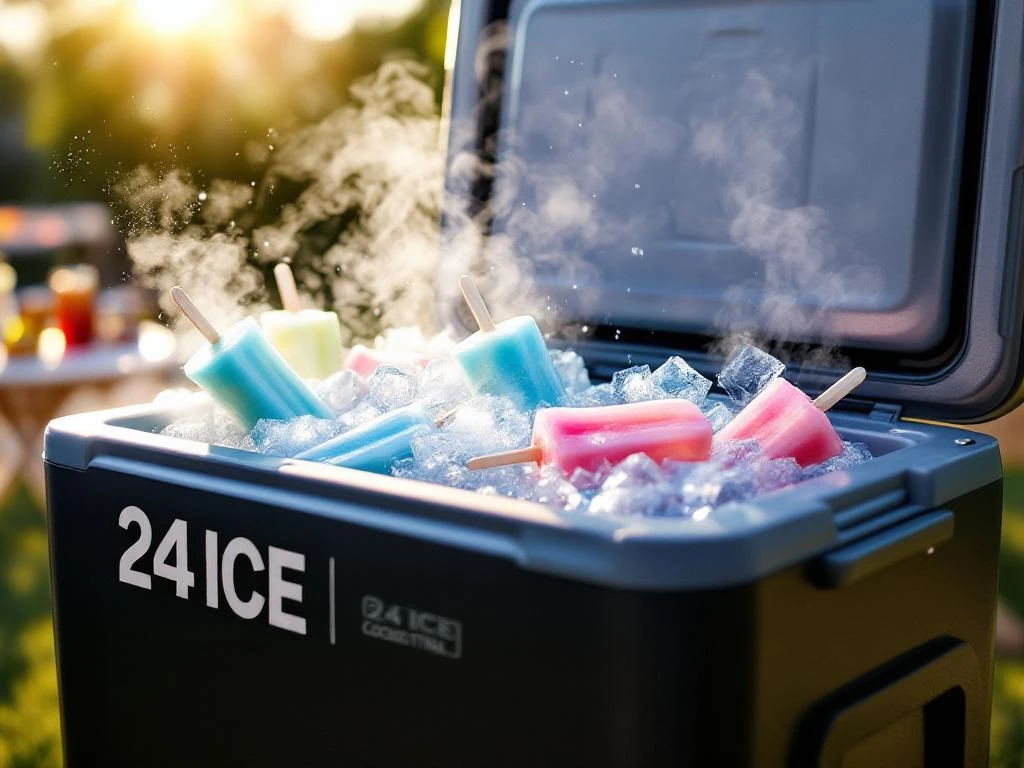
Keeping ice from melting at outdoor events requires proper insulation, strategic packing, and smart cooling techniques. High-quality coolers with thick walls, pre-chilling containers, layering ice with salt, and using alternatives like frozen water bottles significantly extend ice life. Positioning coolers in the shade and minimising how often they are opened also helps maintain cold temperatures throughout your event.
What makes ice melt so quickly at outdoor events?
Ice melts rapidly at outdoor events due to heat transfer from multiple sources working simultaneously. Direct sunlight, warm air temperatures, humidity, and frequent cooler opening all accelerate the melting process by transferring thermal energy to the ice.
The temperature difference creates the primary driving force behind ice melting. When outdoor temperatures reach 25°C or higher, the substantial gap between ice temperature (0°C) and ambient air creates rapid heat transfer. This process speeds up exponentially as temperatures climb above 30°C.
Sunlight adds radiant heat that penetrates cooler materials and heats the interior. Even high-quality coolers struggle against direct solar radiation, which can add significant thermal load beyond air temperature alone. UV rays also heat cooler surfaces, creating additional warming from the outside.
Humidity plays a surprising role in ice preservation. High humidity reduces evaporative cooling effects that normally help maintain lower temperatures. When air moisture levels are high, your cooling system works harder to maintain cold temperatures.
Air circulation around coolers increases heat transfer through convection. Wind and air movement constantly bring warm air into contact with cooler surfaces, speeding up the warming process. This effect becomes more pronounced when coolers are positioned in open areas with good airflow.
Frequent opening of coolers introduces warm air directly into the cold environment. Each time you open a cooler, cold air escapes and warm air rushes in, forcing your ice to work harder to re-establish low temperatures.
How do you choose the right cooler for keeping ice frozen longer?
Insulation thickness and quality determine ice retention performance more than any other cooler feature. Look for walls at least 5 cm thick with high-density foam insulation. Premium coolers use rotomoulded construction with seamless walls that eliminate thermal bridges.
Size matters significantly for ice preservation. Larger coolers maintain temperatures longer because they have better thermal mass and lower surface-area-to-volume ratios. However, choose a size that matches your needs – oversized coolers waste ice cooling empty space.
Lid design affects performance dramatically. Heavy, well-sealed lids with rubber gaskets prevent air exchange. Look for lids that create positive pressure when closed and have sturdy latches that maintain tight seals even when the cooler is moved.
Construction materials impact durability and insulation effectiveness. Rotomoulded plastic coolers typically outperform injection-moulded alternatives because they have thicker, more uniform walls without weak points. Stainless steel interiors resist scratches and clean easily.
Additional features worth considering include drainage systems that do not compromise insulation, exterior handles that do not conduct heat inward, and light-coloured exteriors that reflect rather than absorb solar radiation.
For day-long events, budget coolers with 2–3 cm walls may suffice. Multi-day outdoor events require premium coolers with 5–7 cm insulation thickness. Consider your typical event duration and temperature conditions when selecting insulation levels.
What are the best techniques for packing ice to prevent melting?
Effective ice packing involves pre-chilling containers, strategic layering, and minimising air gaps. Start by chilling your cooler overnight, then layer ice on the bottom and top with items in between. Fill empty spaces with additional ice or frozen items to eliminate warm air pockets.
Pre-chilling your cooler makes a substantial difference in ice longevity. Place the empty cooler in a cold garage or fill it with ice for several hours before your event. This prevents the ice from immediately working to cool down warm cooler walls.
Layer ice strategically for maximum effectiveness. Place a thick layer of ice on the bottom, add your items, then top with another ice layer. This sandwich approach keeps contents cold from both sides and creates thermal barriers.
Block ice lasts significantly longer than cubed ice because it has less surface area exposed to warm air. If you are using cubed ice, pack it tightly to minimise air gaps. Combine blocks and cubes for optimal space utilisation and cooling efficiency.
Salt can extend ice life when used properly. Sprinkle salt between ice layers to lower the melting point, but use it sparingly – too much salt actually accelerates melting. This technique works best for keeping beverages extra cold rather than extending overall ice duration.
Pack items in order of temperature sensitivity. Place frozen items on the bottom where it is coldest, refrigerated items in the middle, and room-temperature items on top. Avoid packing warm items directly against ice.
Minimise empty space by filling gaps with frozen water bottles, gel packs, or additional ice. Air is a poor insulator, so eliminating air pockets helps maintain consistent cold temperatures throughout the cooler interior.
Which alternatives to regular ice work better for outdoor events?
Frozen water bottles, gel packs, and speciality ice products often outperform regular ice for outdoor events. These alternatives provide longer-lasting cooling, reduce mess from melting, and offer additional functionality such as reusability and portion control.
Frozen water bottles serve dual purposes as cooling agents and beverages. They last longer than loose ice because they are contained and have less surface area. As they melt, you get cold drinking water instead of unusable ice water.
Gel packs maintain consistent temperatures longer than ice and do not create water mess. High-quality gel packs can stay frozen for 8–12 hours in good coolers. They are reusable and come in various sizes to fit different cooling needs.
Dry ice provides superior cooling power but requires careful handling and ventilation. It maintains much lower temperatures than regular ice and does not create water as it sublimates. However, it needs proper safety precautions and is not suitable for all outdoor event situations.
Speciality ice products such as large blocks or sphere ice melt more slowly than standard cubes. Some companies offer dense ice blocks specifically designed for extended cooling. These products typically cost more but provide better value for long events.
Frozen towels soaked in water create flexible cooling elements that conform to container shapes. They provide good thermal mass while remaining adaptable to different packing configurations. This technique works particularly well for irregularly shaped items.
Combination approaches often work best. Use frozen water bottles as your primary cooling source, supplement with gel packs for consistent temperature, and add regular ice to fill remaining gaps. This strategy maximises cooling efficiency while providing backup options.
How do you keep drinks cold without constantly replacing melted ice?
Maintaining cold drinks requires insulated containers, strategic positioning, and temperature management systems that do not rely solely on ice replacement. Use insulated beverage containers, position coolers in the shade, and implement rotation systems that minimise heat exposure.
Insulated beverage containers maintain drink temperature independently of your main cooling system. Vacuum-insulated bottles and cans keep drinks cold for hours without any ice. This reduces demand on your primary cooler and ensures consistently cold beverages.
Shade positioning dramatically improves cooling efficiency. Position coolers under umbrellas, tents, or natural shade whenever possible. Even partial shade can reduce cooling load by up to 50% compared with direct sunlight exposure.
Implement a rotation system for frequently accessed drinks. Keep a small, easily accessible cooler with immediate-use beverages near serving areas, while maintaining a larger, rarely opened cooler as your cold storage reserve. This minimises warm air exposure to your main ice supply.
Pre-chill all beverages before adding them to coolers. Room-temperature drinks force ice to work harder and melt faster. Chill beverages in refrigerators overnight before transferring them to outdoor coolers.
Use reflective materials to deflect heat from cooler surfaces. Space blankets, light-coloured tarps, or reflective cooler covers can significantly reduce solar heat gain. Position these barriers to create air gaps that provide additional insulation.
Consider innovative cooling solutions such as evaporative cooling systems for extended events. Wet towels draped over coolers can provide additional cooling through evaporation, particularly effective in low-humidity conditions.
Plan beverage quantities carefully to avoid overpacking coolers. Overcrowded coolers do not circulate cold air effectively and require more ice to maintain proper temperatures. Leave space for air circulation while eliminating unnecessary air gaps.
Managing ice effectively at outdoor events combines proper equipment selection, smart packing techniques, and strategic temperature management. The key lies in understanding heat transfer principles and implementing multiple cooling strategies that work together. We hope these practical approaches help you maintain perfectly chilled beverages and fresh food throughout your outdoor celebrations, making every summer gathering more enjoyable for you and your guests.