
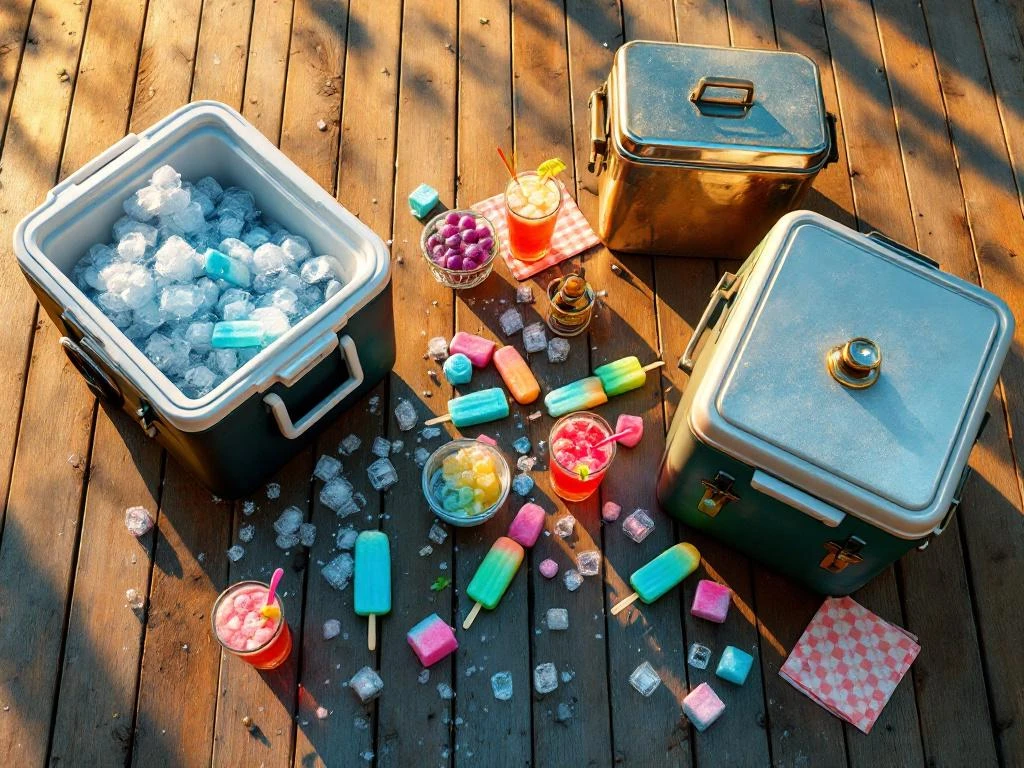
The best cooler for parties depends on your guest count, party duration, and location. Hard-sided portable coolers work best for most outdoor gatherings, while soft-sided options suit smaller indoor events. Ice chest party coolers should hold enough beverages for your guests plus ice, typically requiring 1–2 litres of capacity per person. Wheeled models make transport easier for larger parties, while electric coolers eliminate ice concerns for events near power sources.
What size cooler do you actually need for your party?
Calculate cooler capacity by multiplying your guest count by 1.5–2 litres per person for beverages, then add 50% more space for ice. A party of 20 guests needs a 60–80 litre cooler at minimum. For longer parties lasting over 4 hours, increase capacity by another 25% to maintain proper cooling throughout the event.
Party duration significantly affects your cooler size requirements. Short gatherings of 2–3 hours need less ice space, allowing more room for beverages. Extended parties require larger ice-to-drink ratios to maintain cold temperatures as ice melts. Weekend parties or all-day events benefit from multiple smaller coolers rather than one massive unit.
Different beverage types also influence capacity planning. Canned drinks pack efficiently and chill quickly, requiring standard calculations. Wine bottles need extra vertical space, while frozen cocktail products like ice lollies require consistently freezing temperatures. Mixed beverage parties need compartmentalised storage to prevent cross-contamination of flavours.
Consider these practical size recommendations for different scenarios: intimate gatherings of 5–8 people work well with 25–35 litre coolers, medium parties of 10–15 guests need 40–60 litres of capacity, and large celebrations of 20+ people require 70–100 litre party cooling solutions or multiple smaller units for better organisation.
Which cooler type works best for different party situations?
Hard-sided coolers provide superior insulation and ice retention for outdoor parties, lasting 2–5 days depending on conditions. Soft-sided beverage coolers offer portability and easier storage but maintain cold temperatures for only 6–24 hours. Choose hard-sided for extended outdoor events and soft-sided for short indoor gatherings or transport convenience.
Wheeled outdoor party coolers excel when you need to move heavy loads across distances or uneven terrain. The rolling feature becomes important for coolers over 40 litres when fully loaded. Non-wheeled models suit stationary setups where you’ll position the cooler once and leave it throughout the party.
Electric coolers eliminate ice management entirely, maintaining consistent temperatures when plugged into mains power or 12V car outlets. They’re perfect for garden parties, camping with electrical hookups, or boat parties with power access. Traditional ice coolers remain more versatile since they work anywhere without power requirements.
Location-specific recommendations help narrow your choice: beach parties need hard-sided coolers with excellent seals against sand, poolside events benefit from wheeled models for deck movement, and indoor parties can use attractive soft-sided options that complement your décor while providing adequate cooling.
Duration considerations matter significantly. Day-long events require hard-sided coolers with thick insulated walls, while evening parties of 3–4 hours work fine with lighter soft-sided alternatives. Multi-day events need premium insulation or electric cooling to prevent food safety issues.
How do you keep drinks cold for hours without constantly adding ice?
Pre-chill your cooler by filling it with ice 2–4 hours before adding beverages, then dump the ice and reload with fresh ice and pre-chilled drinks. This technique creates a consistently cold environment that maintains temperature longer. Layer ice on the bottom, sides, and top of beverages for maximum contact and cooling efficiency.
Strategic ice placement significantly improves cooling performance. Use block ice on the bottom for long-lasting cold, then add cubed ice around beverages for quick chilling. Fill empty spaces with additional ice rather than air, which reduces cooling efficiency. Consider frozen water bottles as reusable ice that won’t create a mess as they melt.
Insulation techniques extend cooling duration substantially. Wrap your cooler in blankets or towels for extra insulation, particularly on the lid where heat enters most easily. Position coolers in shaded areas away from direct sunlight, and keep lids closed except when accessing beverages. Opening frequency directly impacts ice retention.
Advanced cooling approaches include using dry ice for extremely long cooling periods, though this requires proper ventilation and handling precautions. Alternatively, freeze some beverages beforehand to act as additional cooling elements while providing cold drinks as they thaw throughout your party.
Cooler positioning plays a vital role in temperature maintenance. Place units on grass or concrete rather than hot surfaces like car boots or sun-heated decking. Elevate coolers slightly using wooden blocks to improve air circulation underneath, and angle drain plugs away from direct sun to prevent heat transfer through the drainage system.
What features should you look for when buying a party cooler?
Insulation quality determines cooling performance and ice retention duration. Look for thick walls (at least 5 cm), tight-fitting lids with rubber gaskets, and rotomoulded construction for superior temperature maintenance. Premium insulation keeps ice solid for 3–5 days, while budget options may only last 24–48 hours under similar conditions.
Drainage systems prevent messy cleanup and allow easy water removal without lifting heavy coolers. Quality drain plugs should seal completely when closed and open easily when needed. Some models include angled drainage that helps water flow out completely, preventing stagnant water that can cause odours or bacterial growth.
Handles and portability options significantly affect usability during parties. Rope handles work for lighter loads but can be uncomfortable when full. Moulded plastic handles provide better grip, while cushioned handles reduce hand fatigue. For larger coolers, look for dual handles that allow two-person carrying or telescoping handles with wheels.
Durability factors include impact-resistant construction, UV-resistant materials that won’t fade or crack in sunlight, and reinforced corners that withstand drops or rough handling. Stainless steel hardware resists corrosion better than plastic components, particularly important for frequent outdoor use or marine environments.
Additional party-friendly features enhance functionality and convenience. Built-in bottle openers eliminate the need for separate tools, integrated cup holders keep drinks secure, and interior baskets help organise different beverage types. Some premium models include cutting boards, built-in speakers, or LED lighting for evening parties.
Consider practical extras like measurement markers inside for easy capacity assessment, non-slip feet that keep coolers stable on smooth surfaces, and tie-down points for securing them during transport. These seemingly minor features often prove valuable during actual party use and setup.
Choosing the right party cooler involves balancing size requirements, portability needs, and cooling duration against your budget and storage space. Focus on insulation quality and appropriate capacity first, then select additional features that match your typical party scenarios. The right cooler makes entertaining easier and more enjoyable, allowing you to focus on your guests rather than worrying about keeping drinks properly chilled throughout your celebration.