
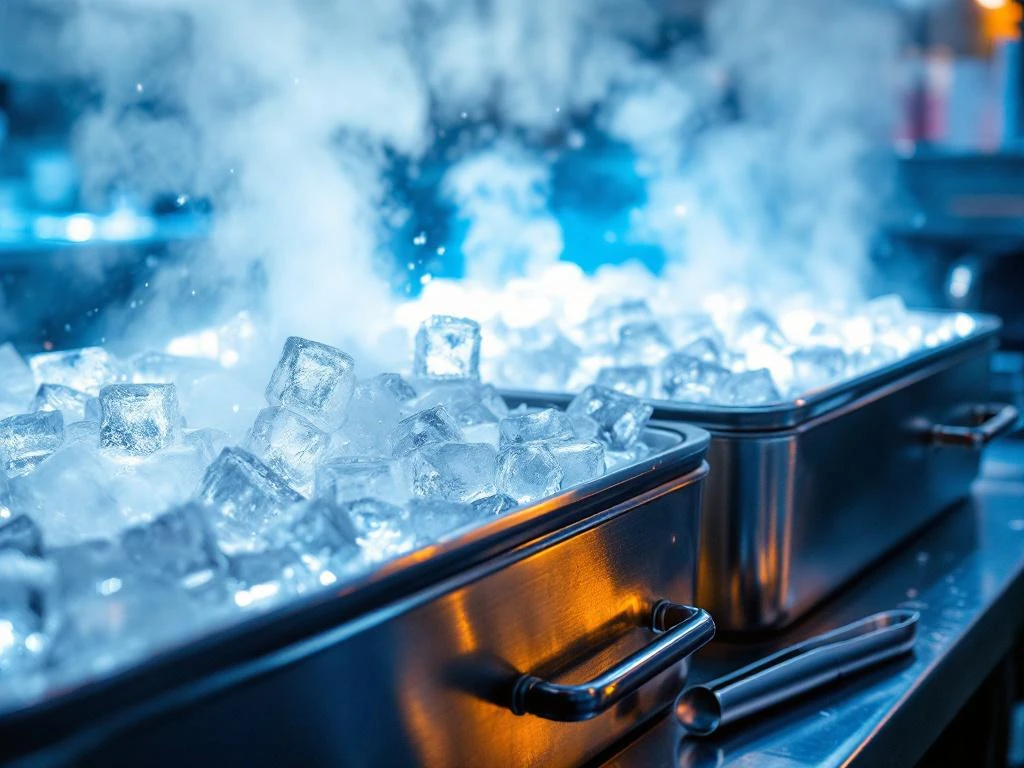
The best way to store ice before an event involves using insulated containers, maintaining proper temperatures, and timing your preparation correctly. Proper ice storage keeps ice frozen for 6–24 hours, depending on container quality and conditions. Success depends on choosing the right storage method, avoiding common mistakes, and planning your ice purchasing to balance convenience with quality.
How long can you store ice before it starts melting at events?
Ice typically stays frozen for 6–12 hours in standard coolers and up to 24 hours in high-quality insulated containers when stored properly. The storage timeframe depends on several factors, including container insulation, ambient temperature, and how frequently you open the storage container.
Temperature plays the biggest role in ice longevity. In outdoor summer conditions above 25°C, regular ice begins melting within 2–4 hours without proper insulation. Indoor events at room temperature extend this to 6–8 hours in basic coolers. Premium insulated containers can maintain ice for 18–24 hours even in challenging conditions.
Container quality makes a significant difference. Thin-walled coolers lose ice quickly, while thick-walled options with quality seals preserve ice much longer. The ice-to-air ratio also matters—fuller containers stay cold longer because there is less warm air to heat the ice.
For event planning, calculate your ice storage needs backwards from your event time. If you need ice for an afternoon outdoor party, morning preparation works for quality containers. Evening events may require same-day ice purchasing unless you have commercial-grade storage equipment.
What’s the best container for storing large amounts of ice?
Large-capacity hard-sided coolers with thick insulated walls provide the best ice storage for events. Look for containers with 2–3 inch thick walls and tight-fitting lids that create proper seals. These maintain ice longer than soft-sided alternatives and handle the weight of large ice quantities.
Commercial ice bins offer superior performance for big events but require more investment. These insulated containers are designed specifically for ice preservation and can maintain frozen temperatures for 24–48 hours. They are ideal when you are serving 50+ people or hosting multi-day events.
Insulated bags work for smaller quantities but are not practical for large amounts. They are better suited for transporting ice rather than long-term storage. The soft sides do not provide enough insulation for extended ice preservation at events.
Multiple medium-sized coolers often work better than one massive container. This approach lets you keep some ice sealed while using others, extending overall ice life. You can also position coolers in different locations to serve various event areas efficiently.
Consider wheeled coolers for events requiring ice transport. Moving heavy ice containers becomes much easier, and you are more likely to position them optimally rather than settling for convenient but warm locations.
How do you keep ice from melting during outdoor events?
Position ice containers in shaded areas away from direct sunlight and heat sources. Shade can extend ice life by 3–6 hours compared to sunny locations. Create additional shade with umbrellas or canopies if natural shade is not available at your event location.
Layer insulation around containers using blankets, towels, or reflective materials. This extra barrier helps maintain internal temperatures even when ambient temperatures rise. Reflective car sunshades work particularly well as additional insulation layers.
Keep containers closed as much as possible. Each opening lets warm air in and cold air out. Designate one person to handle ice service rather than having multiple people opening containers throughout the event. This simple step significantly extends ice preservation time.
Use the right ice-to-content ratio. Fill containers completely rather than halfway—more ice means better temperature maintenance. Add frozen water bottles or frozen gel packs to supplement regular ice and provide additional cooling power.
Pre-chill containers before adding ice. Store empty coolers in cool locations or add ice 30 minutes before the main ice load. Cold containers do not immediately start melting your ice, giving you extra preservation time for outdoor events.
Should you buy ice the day before your event or the day of?
Buy ice the day of your event unless you have commercial-grade storage equipment. Day-of purchasing ensures maximum ice quality and reduces storage challenges. Most home storage methods cannot maintain ice quality overnight without significant melting and refreezing issues.
Day-before purchasing only works with proper storage capacity and high-quality insulated containers. You need containers that can maintain freezing temperatures for 12–24 hours without significant ice loss. This approach requires planning and investment in quality storage equipment.
Consider your event timing when deciding. Morning events work well with early-morning ice pickup. Evening events give you all day for ice purchasing and preparation. Late-night events might require day-before purchasing if ice suppliers close early.
Plan for 1–2 pounds of ice per person for typical events, more for hot weather or longer events. Calculate your total needs and confirm supplier availability, especially for large quantities or weekend events when demand is higher.
Backup planning helps regardless of your timing choice. Know multiple ice suppliers and have contingency plans for last-minute ice needs. Some convenience stores and supermarkets stock ice throughout event days, providing emergency options if needed.
What are the biggest mistakes people make when storing event ice?
Using inadequate containers is the most common error. Thin coolers and insufficient insulation lead to rapid ice melting and disappointed guests. Many people underestimate how quickly ice melts in standard containers during warm-weather events.
Positioning containers in warm locations undermines ice preservation efforts. Placing coolers in sunny spots, near grills, or in heated indoor areas accelerates melting. Even good containers cannot overcome poor placement decisions at outdoor events.
Opening containers too frequently lets warm air in repeatedly. Each opening raises internal temperature and speeds melting. People often check ice levels unnecessarily or let multiple guests access containers, creating constant temperature fluctuations.
Underestimating ice quantities leaves events short when melting occurs faster than expected. Hot weather, longer events, and larger crowds all increase ice needs beyond basic calculations. Running out of ice during peak event times creates significant problems.
Contamination issues arise from using unclean containers or allowing foreign objects into ice storage. Food particles, drinks, or dirty hands compromise ice quality and safety. Clean containers and designated ice handling prevent these problems.
Proper event ice storage requires quality containers, strategic positioning, minimal opening, adequate quantities, and clean handling practices. These fundamentals ensure your ice stays frozen and your guests stay refreshed throughout your event.
Whether you are planning a garden party, barbecue, or outdoor celebration, successful ice storage can make the difference between a smooth event and disappointed guests. We understand the importance of keeping refreshments perfectly chilled, which is why our frozen cocktail products are designed to eliminate ice storage worries entirely—simply freeze our liquid sticks for 24 hours and enjoy perfectly chilled cocktails without the melting-ice hassle.