
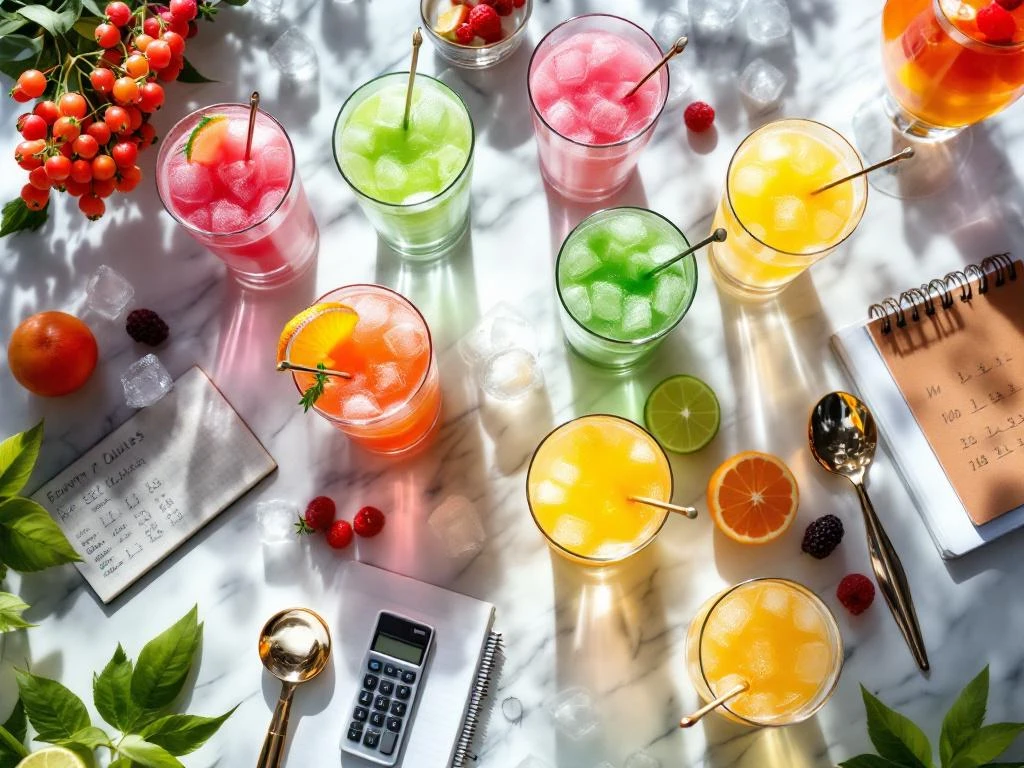
Calculating beverage quantities for events requires understanding your guest count, event duration, and drinking preferences. A general rule suggests one drink per person per hour, but this varies significantly based on factors like time of day, season, and guest demographics. Proper planning prevents running out of drinks or creating excessive waste while ensuring everyone enjoys your event.
What factors should you consider when calculating beverage quantities for events?
Guest demographics, event timing, and venue conditions directly impact how much people drink at your event. Age groups, cultural backgrounds, and personal preferences create varying consumption patterns that affect your beverage planning calculations.
Guest demographics play the largest role in drink consumption. Younger adults typically consume more alcohol than older guests, while mixed-age groups require both alcoholic and non-alcoholic options. Consider whether your guests are colleagues, family members, or friends, as this influences drinking behaviour and preferences.
Event duration significantly affects total consumption. Short cocktail parties see higher hourly consumption rates, while longer celebrations like weddings show decreased drinking as the evening progresses. Plan for peak consumption during the first two hours of most events.
Time of day and season create distinct drinking patterns. Daytime events favour lighter beverages like wine and beer, while evening parties increase spirits consumption. Summer outdoor events require more hydrating drinks, while winter gatherings lean towards warming cocktails and hot beverages.
Food service directly impacts alcohol consumption. Events with substantial meals reduce drinking, while light appetisers or no food increase alcohol intake. The timing of meal service also affects when guests drink most heavily.
Venue restrictions may limit your beverage options. Some locations prohibit certain alcohol types or require licensed bartenders. Outdoor venues need additional considerations for ice, refrigeration, and weather protection for your drinks.
How much alcohol do you actually need per person at a party?
Standard calculations suggest one drink per person per hour for the first two hours, then half a drink per hour afterwards. For a four-hour party with 50 guests, plan for approximately 150 drinks in total, adjusting based on your specific guest preferences and event type.
Wine consumption typically requires half a bottle per person for wine-focused events, or one bottle per three guests when offering multiple beverage types. A standard 750ml bottle provides five glasses, making calculations straightforward for party beverage calculator purposes.
Beer planning follows similar patterns, with one to two beers per person per hour during peak consumption. Account for different preferences by offering both light and full-strength options, and consider that beer consumption increases at casual outdoor events.
Cocktail planning requires more complex calculations since mixed drinks use varying alcohol amounts. Plan for 1.5 ounces of spirits per cocktail, with a 750ml bottle yielding approximately 16 drinks. Popular cocktails like margaritas or mojitos often see higher consumption rates.
Event type significantly influences these baseline calculations. Corporate events typically see lower consumption than birthday parties or other celebrations. Wedding receptions peak during cocktail hour then decrease, while casual barbecues maintain steady consumption throughout.
Consider offering signature cocktails or themed drinks that match your event. Frozen cocktails for events work particularly well for summer gatherings, providing both refreshment and entertainment value while simplifying your bar setup.
What’s the difference between planning drinks for indoor versus outdoor events?
Outdoor events typically require 25–50% more beverages than indoor gatherings due to higher activity levels and temperature exposure. Heat increases overall fluid consumption, while outdoor activities like games or dancing boost thirst levels significantly compared to seated indoor events.
Temperature effects create the most noticeable difference in beverage consumption patterns. Hot weather increases demand for cold, refreshing drinks like beer, wine spritzers, and frozen cocktails. Guests consume more water and non-alcoholic beverages to stay hydrated during outdoor events.
Activity levels at outdoor events generally exceed indoor gatherings. Garden parties, barbecues, and outdoor weddings involve more movement, socialising, and physical activity. This increased energy expenditure naturally leads to higher beverage consumption throughout the event.
Logistical considerations become more complex for outdoor event bar planning. You need adequate ice supplies, weather protection for beverages, and proper refrigeration systems. Wind can affect cocktail preparation, while sun exposure may warm drinks faster than anticipated.
Indoor events offer controlled environments that make beverage planning more predictable. Temperature remains constant, activities are typically less physical, and storage conditions stay optimal throughout the event duration.
Seasonal factors influence outdoor drinking patterns more dramatically. Spring and summer events favour light, refreshing options, while autumn outdoor gatherings may include warming drinks. Winter outdoor events require heated beverage options alongside traditional cold drinks.
Consider practical serving solutions for outdoor venues. Pre-mixed cocktails, bottled beverages, and easy-to-serve options work better than complex mixed drinks that require extensive bar setups in outdoor conditions.
How do you calculate non-alcoholic beverage needs for mixed groups?
Non-alcoholic beverages should comprise 30–40% of your total drink supply for mixed groups. Plan for designated drivers, non-drinkers, children, and guests who alternate between alcoholic and non-alcoholic options throughout your event.
Water remains the most important non-alcoholic option, especially for longer events. Provide both still and sparkling water, calculating roughly one litre per person for events lasting more than three hours. Increase this amount for outdoor or summer events.
Soft drinks appeal to various age groups and preferences. Stock cola, lemon-lime sodas, and ginger beer for cocktail mixers. Include diet and regular versions to accommodate different dietary requirements and taste preferences.
Juice options serve dual purposes as standalone drinks and cocktail mixers. Orange, cranberry, and apple juices work well for most events. Fresh juice options elevate your beverage service while providing healthier alternatives for health-conscious guests.
Children’s beverage needs require special consideration for family events. Calculate separate quantities for younger guests, who typically consume more juice and soft drinks than adults. Avoid caffeine-heavy options for children’s consumption.
Coffee and tea become important for longer events, particularly evening celebrations that extend late. Provide both regular and decaffeinated options, along with various milk and sugar alternatives to accommodate different preferences.
Consider offering sophisticated non-alcoholic alternatives that don’t make non-drinkers feel excluded. Mocktails, flavoured sparkling waters, and alcohol-free versions of popular cocktails ensure everyone enjoys premium beverage options.
What’s the best way to avoid running out of drinks or having too much leftover?
Build a 10–15% buffer into your calculations while choosing suppliers who offer flexible ordering or last-minute additions. Monitor consumption during the first hour to gauge whether you need adjustments, and have backup plans for both shortage and surplus scenarios.
Accurate estimation starts with understanding your specific guest list rather than relying solely on general formulas. Consider individual preferences, past event experiences, and cultural factors that influence drinking patterns within your group.
Flexible ordering options help manage uncertainty in event drink planning. Work with suppliers who allow day-of adjustments or provide sale-or-return agreements for unopened beverages. This reduces financial risk while ensuring adequate supply.
Monitor early consumption patterns to predict total needs. Track how quickly drinks disappear during the first hour, then adjust your timeline expectations accordingly. Fast initial consumption often slows as food is served and the event progresses.
Backup plans prevent both scenarios from ruining your event. Identify nearby shops for emergency purchases, and know which beverages store well for future use. Wine, spirits, and many non-alcoholic drinks keep well when stored properly.
Consider offering signature drinks or a limited cocktail menu to control consumption patterns. When you focus on specific beverages, guests tend to drink more predictably, making your calculations more accurate.
Smart purchasing strategies balance cost and waste concerns. Buy alcohol from retailers with good return policies, purchase mixers and soft drinks in smaller quantities since they’re easily replaceable, and invest in quality ice that lasts longer.
Post-event planning helps with future calculations. Track what you used versus what you bought, note which beverages were most popular, and document any factors that affected consumption. This information improves your planning for similar future events.
Calculating beverage quantities becomes easier with experience and attention to your specific guest preferences. Start with standard formulas, adjust for your event’s unique factors, and build in reasonable buffers for unexpected consumption patterns. Remember that successful event drinks planning focuses on guest satisfaction rather than perfect precision. Frozen cocktails can add an exciting element to your event planning, offering convenient, pre-portioned options that simplify both calculation and service while delighting your guests.