
The best drinks for large gatherings are those that appeal to diverse tastes, require minimal preparation, and stay fresh throughout your event. Crowd-pleasing beverages include easy-to-serve options like beer, wine, signature cocktails, and refreshing non-alcoholic alternatives. Success depends on calculating proper quantities, maintaining temperature, and offering a variety that satisfies everyone’s preferences without overwhelming your preparation time.
What makes a drink perfect for large gatherings?
Perfect drinks for large gatherings combine broad appeal, simple preparation, cost-effectiveness, and practical serving considerations. The ideal party drinks satisfy diverse tastes without requiring complex mixing or constant attention from hosts.
Broad appeal tops the list of important characteristics. Your drink selection should cater to different preferences, ages, and dietary restrictions. This means offering both alcoholic and non-alcoholic options, varying flavour profiles from sweet to dry, and including familiar favourites alongside more adventurous choices.
Ease of preparation becomes vital when you’re entertaining large groups. The best event beverages either come ready to serve or require minimal mixing. Pre-batched cocktails, self-serve stations, and drinks that guests can customise themselves reduce your workload whilst keeping everyone happy.
Cost-effectiveness matters for larger gatherings where quantities add up quickly. Smart hosts choose drinks that deliver maximum impact without breaking the budget. This often means selecting versatile base ingredients that work across multiple drink options or choosing crowd-pleasers that don’t require premium ingredients.
Practical serving considerations include storage requirements, serving equipment needs, and how well drinks maintain quality over time. The most successful large-group drinks stay appealing whether served immediately or after sitting for a while, don’t require specialised glassware, and work well with simple serving setups.
How do you calculate how many drinks you need for a large group?
Calculate drink quantities using this simple formula: plan for 2–3 drinks per person for the first hour, then 1–2 drinks per hour afterwards. Adjust based on event duration, weather conditions, guest demographics, and whether you’re serving food.
Guest count forms your foundation, but several factors influence actual consumption. Event duration significantly impacts quantities – longer gatherings naturally require more beverages. Weather plays a role too, with hot conditions increasing demand for refreshing drinks and cold weather favouring warming beverages.
The type of gathering affects drinking patterns. Cocktail parties typically see higher alcohol consumption than family barbecues. Evening events often involve more drinking than daytime gatherings. Consider your specific audience – some groups prefer wine, others favour beer, and mixed crowds need variety.
Here’s a practical breakdown for planning: for a 4-hour party with 20 guests, plan for approximately 100–120 total drinks. Allocate roughly 60% alcoholic and 40% non-alcoholic beverages, adjusting based on your crowd. Always round up rather than risk running short.
Food service influences consumption patterns. Guests drink more at cocktail-only events compared to sit-down meals. Salty or spicy foods increase drink demand, whilst substantial meals typically reduce alcohol consumption. Factor in a 20% buffer for unexpected guests or higher-than-average consumption.
What are the most crowd-pleasing alcoholic drinks for parties?
The most successful party drinks include beer variety packs, versatile wines, simple cocktails, and innovative options like frozen cocktails. These beverages appeal to different tastes whilst remaining easy to serve and enjoy in social settings.
Beer remains a party staple because it’s familiar, refreshing, and requires no preparation. Offer a mix including light lagers for broad appeal, wheat beers for a smoother taste, and perhaps one hoppy option for craft beer enthusiasts. Variety packs solve the selection problem whilst controlling costs.
Wine selection should include both red and white options, with rosé gaining popularity for its versatility. Choose crowd-friendly varieties like Pinot Grigio, Sauvignon Blanc, Merlot, or Cabernet Sauvignon. These wines appeal to most palates without being too adventurous or expensive.
Simple cocktails work best for large groups. Margaritas, mojitos, and gin and tonics are recognisable favourites that don’t require complex ingredients. Pre-batch these cocktails when possible, or set up stations where guests can customise their drinks with different garnishes or mixers.
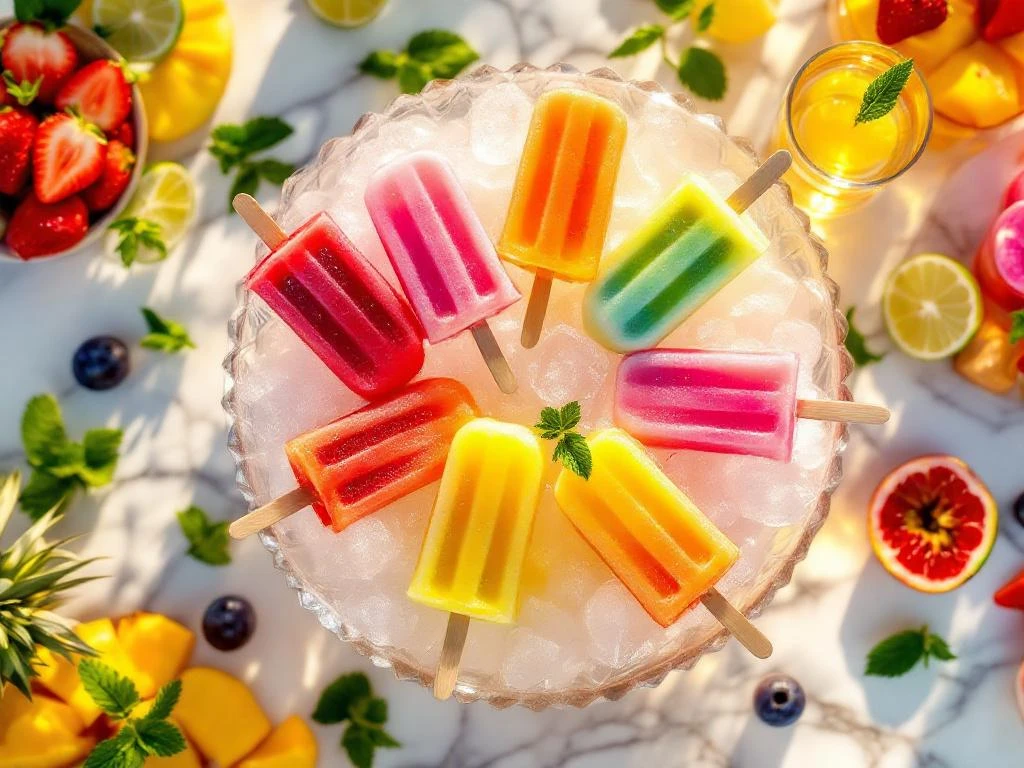
Frozen cocktails bring excitement to gatherings whilst solving several practical problems. They’re visually appealing, refreshing, and often easier to manage than traditional mixed drinks. Options like frozen margaritas, daiquiris, or innovative frozen cocktail pops offer convenience without sacrificing flavour or fun.
Which non-alcoholic drinks work best for mixed groups?
Successful non-alcoholic options include flavoured sparkling waters, creative mocktails, quality sodas, and refreshing fruit-based drinks. These beverages should feel intentional and appealing rather than afterthoughts, ensuring all guests feel included and satisfied.
Sparkling water with fruit garnishes elevates simple hydration into something special. Provide cucumber, mint, berries, or citrus slices so guests can create their own refreshing combinations. This approach feels sophisticated whilst remaining simple and cost-effective.
Mocktails deserve the same attention as alcoholic cocktails. Virgin mojitos, alcohol-free sangria, and sparkling fruit punches provide complexity and visual appeal. These drinks make non-drinking guests feel fully included in the celebration rather than settling for basic soft drinks.
Quality sodas and specialty beverages add variety without requiring preparation. Include classic options like ginger beer, lemonade, and iced tea alongside more interesting choices like elderflower cordial or craft sodas. These provide familiar comfort whilst offering something beyond standard cola.
Fresh fruit-based drinks work wonderfully for outdoor gatherings or daytime events. Watermelon agua fresca, cucumber lemonade, or berry-infused waters feel refreshing and healthy. These options particularly appeal to health-conscious guests and provide natural sweetness without artificial ingredients.
How do you keep drinks cold and fresh during long events?
Maintain drink quality through strategic ice management, proper storage techniques, appropriate serving equipment, and temperature-control planning. Success requires thinking ahead about how different beverages behave over time and setting up systems that maintain quality without constant attention.
Ice management forms the foundation of successful drink service. Plan for approximately 1–2 pounds of ice per person, with extra for particularly warm weather or long events. Multiple ice sources prevent shortages – consider buying bagged ice to supplement what your freezer produces.
Storage techniques vary by beverage type. Keep white wines and beers in large containers with ice and water for the fastest cooling. Red wines need cool storage but not ice-cold temperatures. Sodas and mixers benefit from refrigeration before the event rather than relying solely on ice during service.
Serving equipment choices impact temperature maintenance. Insulated dispensers work well for large quantities of single beverages. Multiple smaller coolers allow better organisation and temperature control than one large container. Provide serving utensils that don’t conduct heat from hands to drinks.
Temperature-control strategies include shading drink stations, rotating stock from coolers, and refreshing ice regularly. Position beverage areas away from direct sunlight and heat sources. Consider the flow of your event – drinks consumed early need different preparation than those served hours later.
Planning successful drinks for large gatherings comes down to understanding your guests, preparing thoughtfully, and choosing beverages that maintain quality throughout your event. Focus on variety, proper quantities, and practical serving solutions that let you enjoy your gathering rather than constantly managing drink service. We’ve spent years perfecting frozen cocktail solutions that solve many of these challenges, making entertaining easier whilst delivering the crowd-pleasing flavours your guests will love.